

On November 1, 1726 (the 11th year of Kyōhō), Daimaru Shinsaibashi opened as a kimono fabric store at its current location, and has never moved since. This November 1 marks its 300th anniversary.
In 1933, the original Warris architecture, which shapes the current building, was completed.
In 2019, a large-scale reconstruction was carried out, carefully preserving the elegant interior and historically valuable exterior.
Inside this building full of 300 years of history, many hidden charms await discovery!
Let's go on an adventure to uncover the charms of Daimaru Shinsaibashi by solving new mysteries!
If you solve all the mysteries, a treasure awaits you!

The hint is to "look" carefully.
Mystery 1
A pillar clock with a Warris design used in the old main building. It is still reused in the new main building, but where?
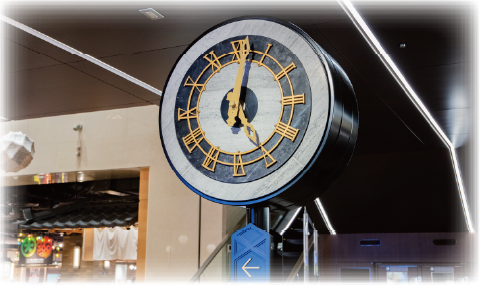
The clock, recovered during the demolition of the old main building, is now located where live jazz performances are held on the last Saturday of each month.
Mystery 2
A beautifully recreated chandelier shining above the cosmetics section on the 1st floor of the main building.
How many are there in total?
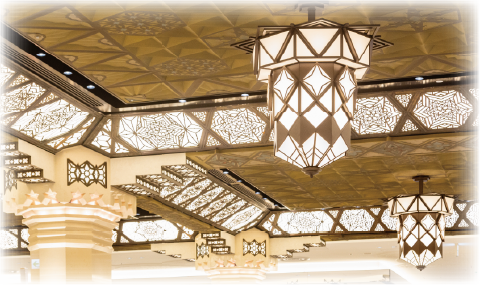
Due to wartime requisition, the chandelier became a phantom, but it was recreated based on a photo from that time as a "symbol of the new main building."
Mystery 3
A stained glass clock inherited from the old main building. So, what colors are they?
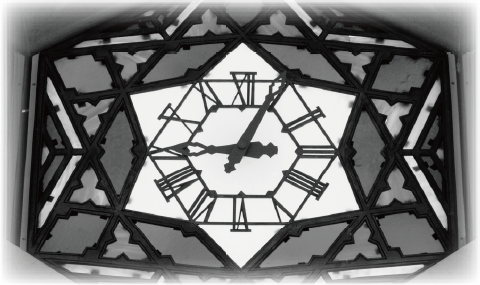
The elevator hall, with restored detailed decorations including arched ceilings. Even the uneven lighting colors have been preserved as part of the building's historical layers.
Mystery 4
The lighting fixtures in the photos have been inherited from the old main building and are being reused in various places.
So, where are they reused on the 6th floor?
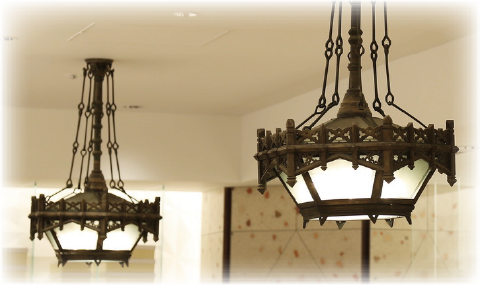
In the old main building, they illuminated places like the landing of the customer stairs, providing a very "eye-friendly" light.
Mystery 5
On the 7th floor, there is a plant that has been welcoming customers every day since the opening of the new main building.
What is the name of that plant?
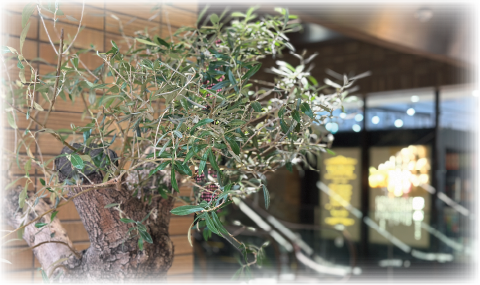
It serves as the symbol tree of the floor, greeting customers daily in front of the escalator. It is also planted in the terrace garden.
Mystery 6
Looking out the window from the resting area in front of the connecting passageway to Parco, you can see street lamps designed in a style unique to this city.
What shape are they?
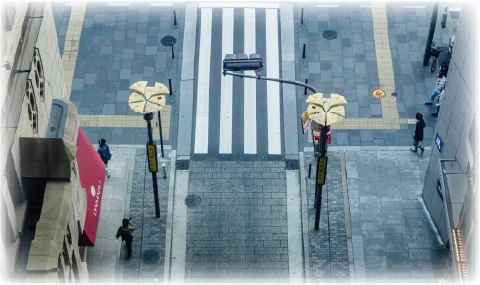
They were designed with reference to the street trees planted along Midosuji Avenue.
Mystery 7
A large peacock relief is displayed above the central entrance on the shopping street side.
It was originally planned to be a completely different bird. Which bird was it?
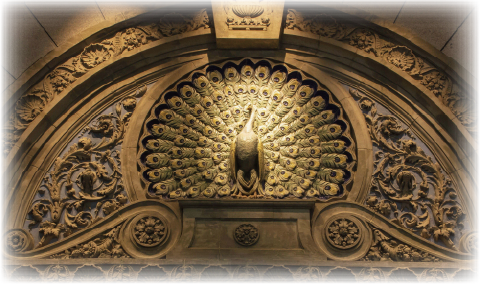
After the fire destroyed the building, the requested bird symbolized resurrection, but it was ultimately made into a peacock. Since then, it has been watching over the Shinsaibashi district for nearly 100 years.
Mystery 8
Based on the episode from Puzzle 7, the originally requested "Phoenix" that became a phantom was created. Where is it located?
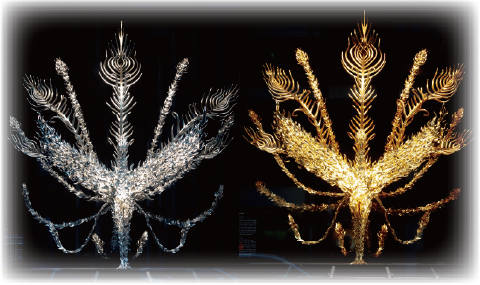
Created by sculptor and artist Kohei Nawa, it was installed in its current location when the new main building opened in 2019.

How to Receive Your Treasure
Reception Location:Main Building Basement 1st Floor
Special Counter in front of the Subway Ticket Gate Entrance
Reception Conditions:
Please present the following to the staff at the special counter:
1. Quiz rally booklet
2. Receipt for purchases totaling 3,000 yen or more (tax included) at Daimaru Shinsaibashi Store during the campaign period (receipts can be combined)
Reception Dates:
October
3rd, 4th, 10th-12th, 17th, 18th, 24th, 25th
11:00 AM to 6:00 PM
Treasure Details:
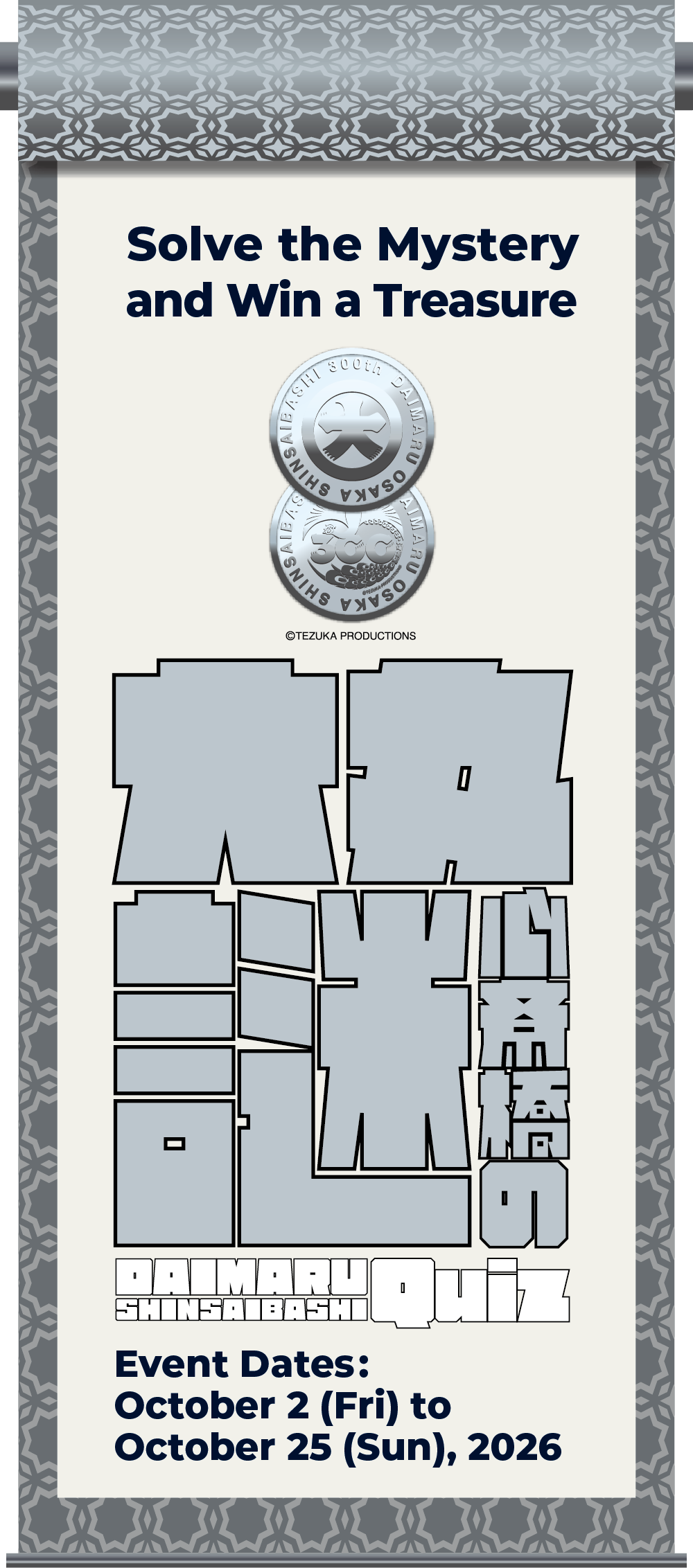
300th Anniversary Original Medal (Silver Color)
One medal per person, one time only.
 * Number of correct answers does not matter.
* Not edible.
* Some discoloration may occur.
* Ends as soon as supplies run out.
Notice!
The next event will be held in December!Get the final medal!


Mystery 1
Shinsaibashi PARCO has two permanent neon signs.
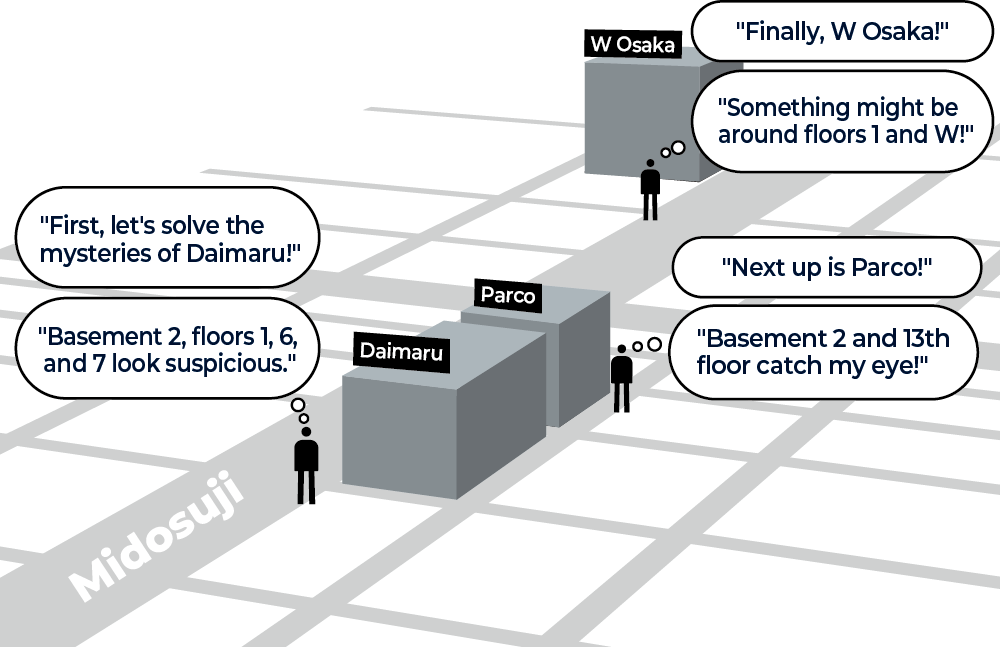
What alphabet letters are displayed on B2F?
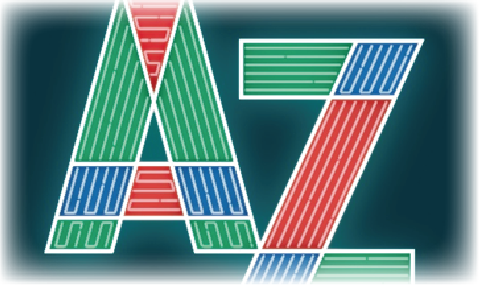
Designed by internationally acclaimed designer and sculptor Takenobu Igarashi, whose exhibition was held here this May.
Mystery 2
Something is flowing along the wall on the 13th floor.
What is it?
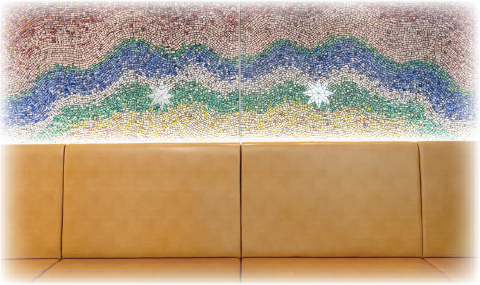
"Shooting Star" is one of the artworks inherited from the previous facility. There are other inherited pieces inside the building! Please try to find them!
Mystery 1
The Arrival Tunnel changes colors throughout the year.
Why does it turn rainbow-colored only in June?
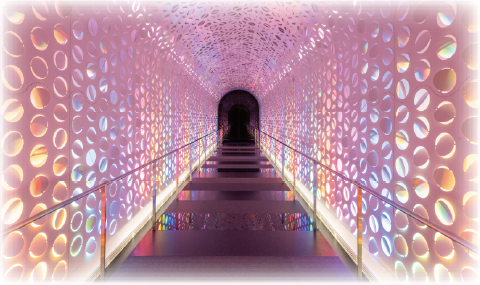
The rainbow is a symbol of diversity. It represents respecting and welcoming people from all backgrounds.
Mystery 2
How many colors of sofas can you find in the LIVING ROOM?
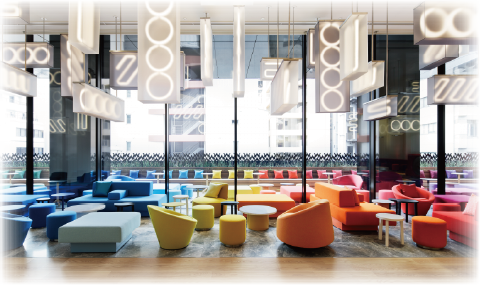
The lighting in the LIVING ROOM is inspired by Dotonbori's neon signs and lanterns. There's a fun story that their colors fell onto the sofas.